ArteMatika Summer Course
Three editions: 2024 · 2025 · 2026 · Lisbon
Enquire about the next edition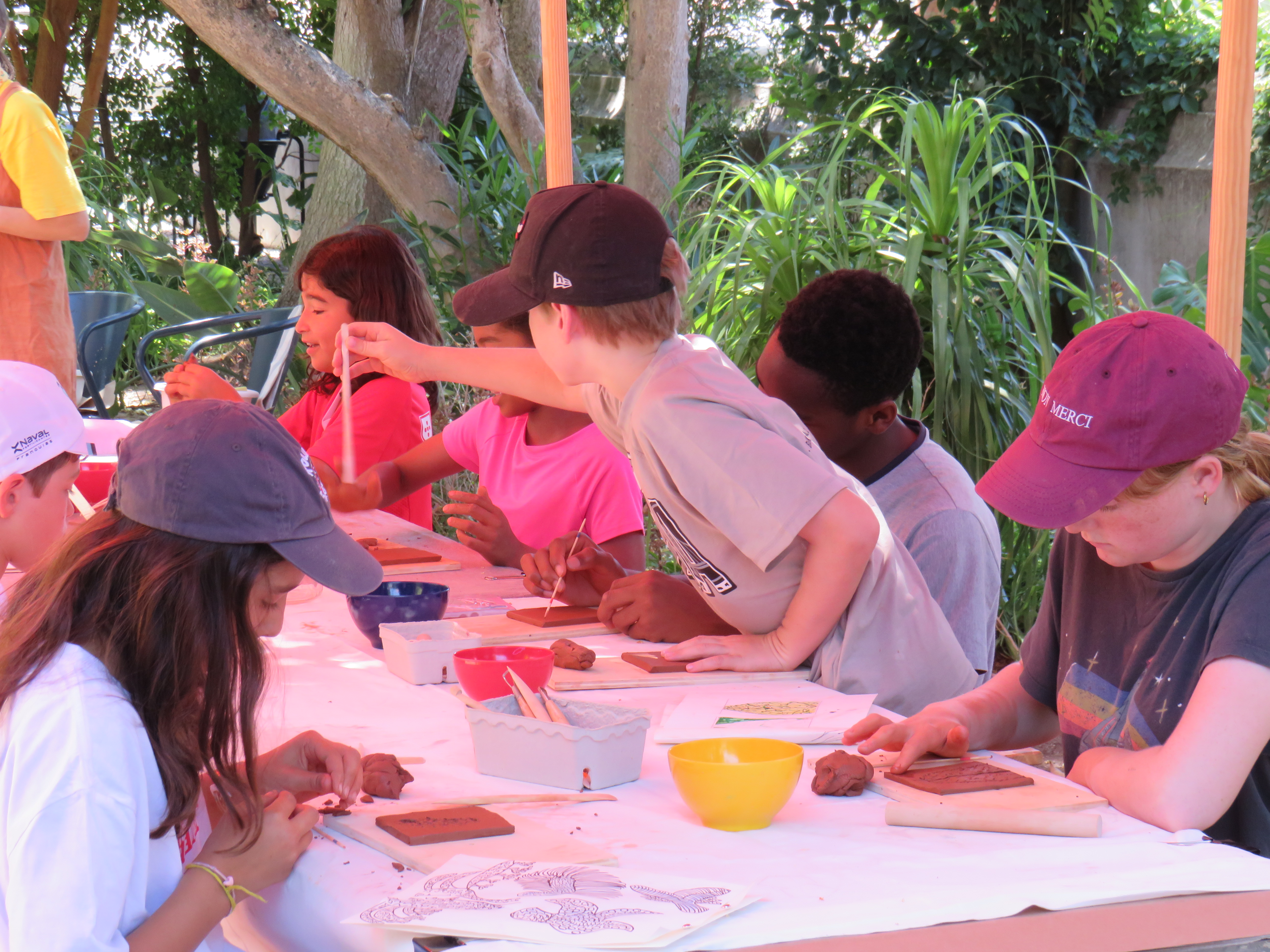
What is it?
Neuroscience + Mathematics + Art = ArteMatika
This is a 10 day journey into doing mathematics creatively, visually, collaboratively through investigations that have multiple entry points (low-floor) and can be extended to the level of curiosity, skill and interest of the participants (high-ceiling).
- Unlearn unhelpful myths of mathematics and learning backed by neuroscience
- Experience productive collaborative work in mathematics in groups of mixed ages and varied prior experiences with maths
- Develop visual thinking and visual expression skills through Creative Labs led by professional artists
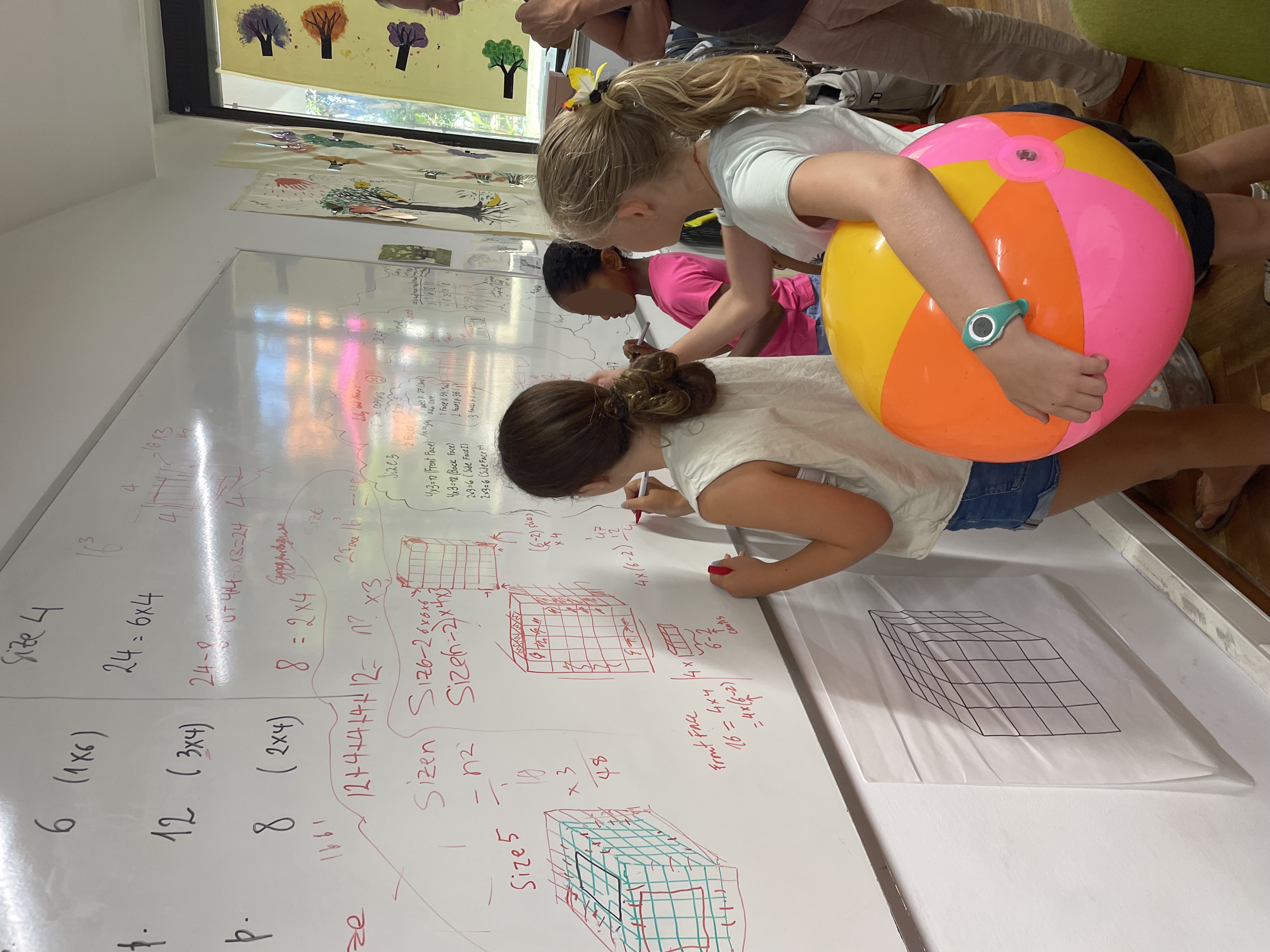
- Do real mathematics like a real creative mathematician led by mathematician and educator Dr Sara Santos (UK & PT)
- Use models, make props and drawings to understand maths and explain mathematical thinking
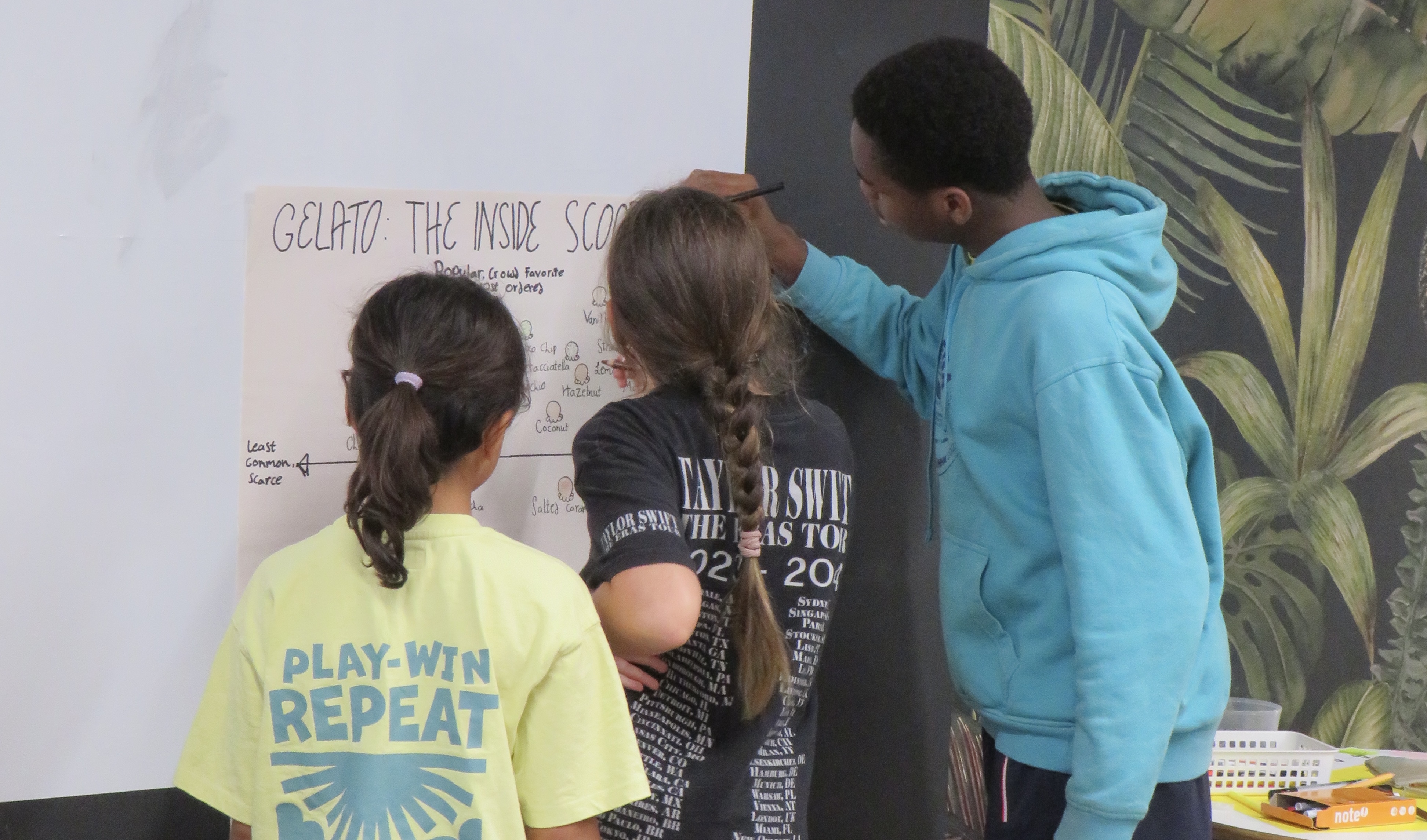
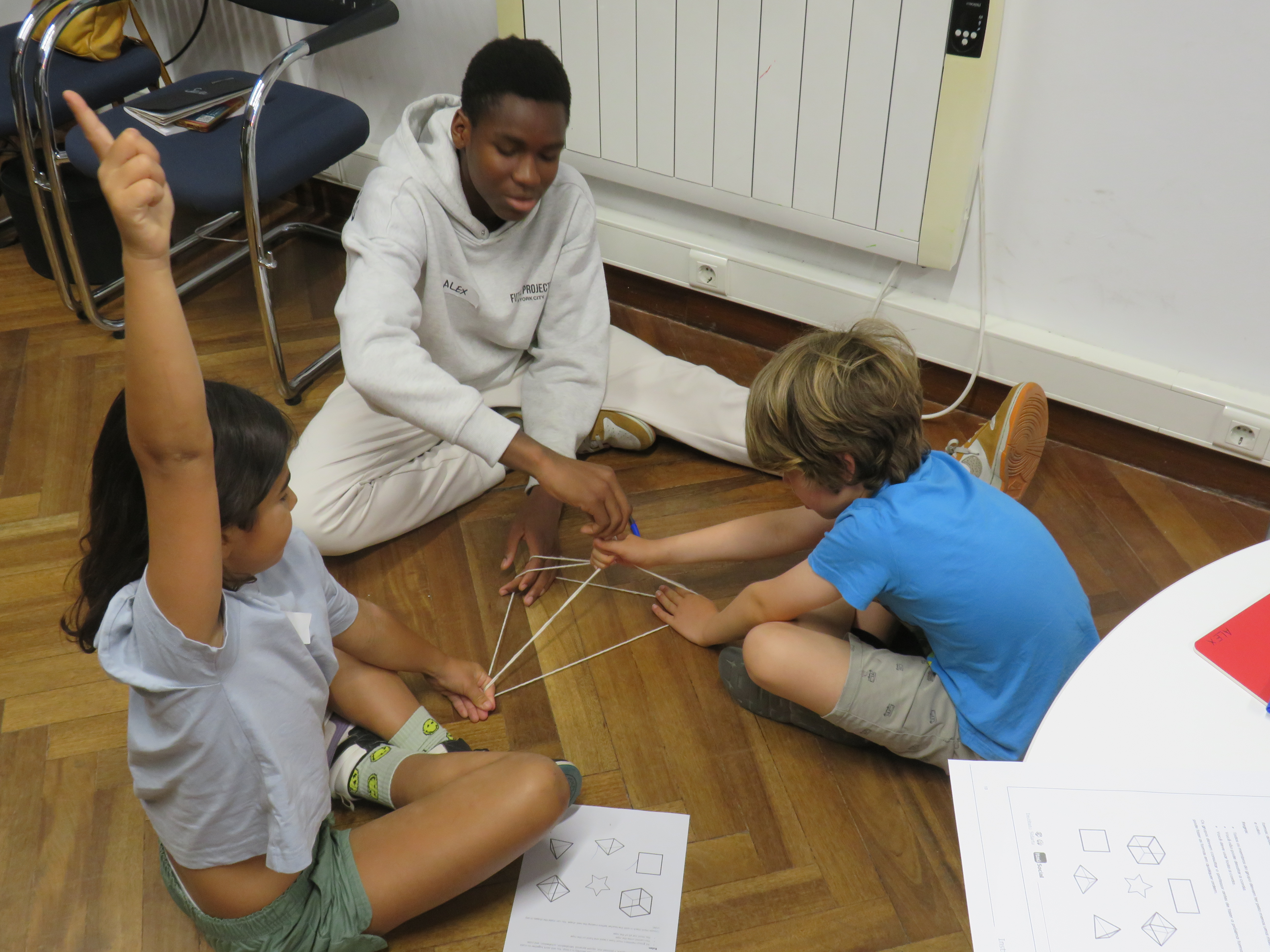
Mindset Mathematics
Neuroscience has resoundingly disproved the belief that some children are simply not 'maths people'. Brain imaging shows that time pressure and timed testing block working memory — performance suffers not from inability, but from anxiety. Prof. Jo Boaler of Stanford University demonstrates that students who learn through flexible, creative strategies achieve superior results, solve at the same speed, and develop lasting number sense. ArteMatika is built on this research.
“There is a common and damaging misconception in mathematics — the idea that strong maths students are fast maths students.”
Jo Boaler · Stanford University
“Number sense is the foundation for all higher-level mathematics. The more we emphasise memorisation to students, the less willing they become to think about numbers.”
Jo Boaler · Stanford University
Creative Labs
The Creative Labs take their name from Bruno Munari's Laboratori (artist, designer, educator). Inspired by his conviction that art should be accessible to all and that the process of experimentation matters more than the finished result, we adopted the same name: to promote learning through the understanding of art — the democratisation of artistic knowledge.
“Art is the representation, science the explanation — of the same reality.”
Herbert Read
“What is wrong with our educational system is precisely our habit of establishing separate territories and inviolable boundaries.”
Herbert Read
What is ArteMatika?
What is ArteMatika?
Dr Sara Santos ·
ArteMatika · IngoC CEC
Programme
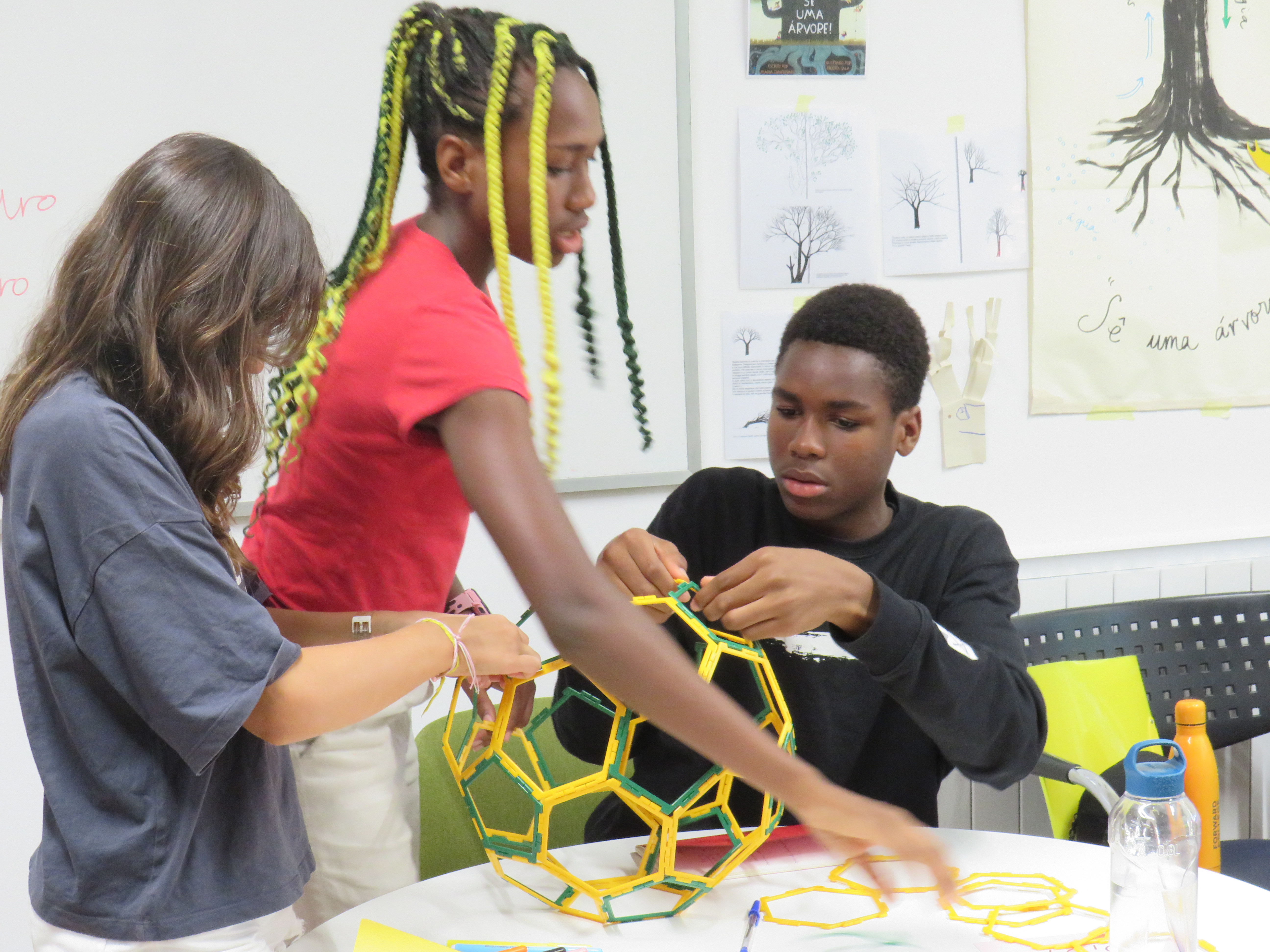
Morning sessions — Led by Dr Sara Santos
Every morning task is designed around Prof. Jo Boaler's Mindset Mathematics research: low-floor and high-ceiling — accessible to all, extendable to any level of curiosity — dismantling the myth that mathematics belongs only to some. Speed and memorisation give way to deep, visual, collaborative thinking.
Neuroscience is not just a topic here — it is the pedagogy. Students explore how the brain learns, why mistakes matter, and what mathematical thinking really looks like. Working in mixed-age groups, they investigate, conjecture, represent their thinking and move towards proof at their own level.
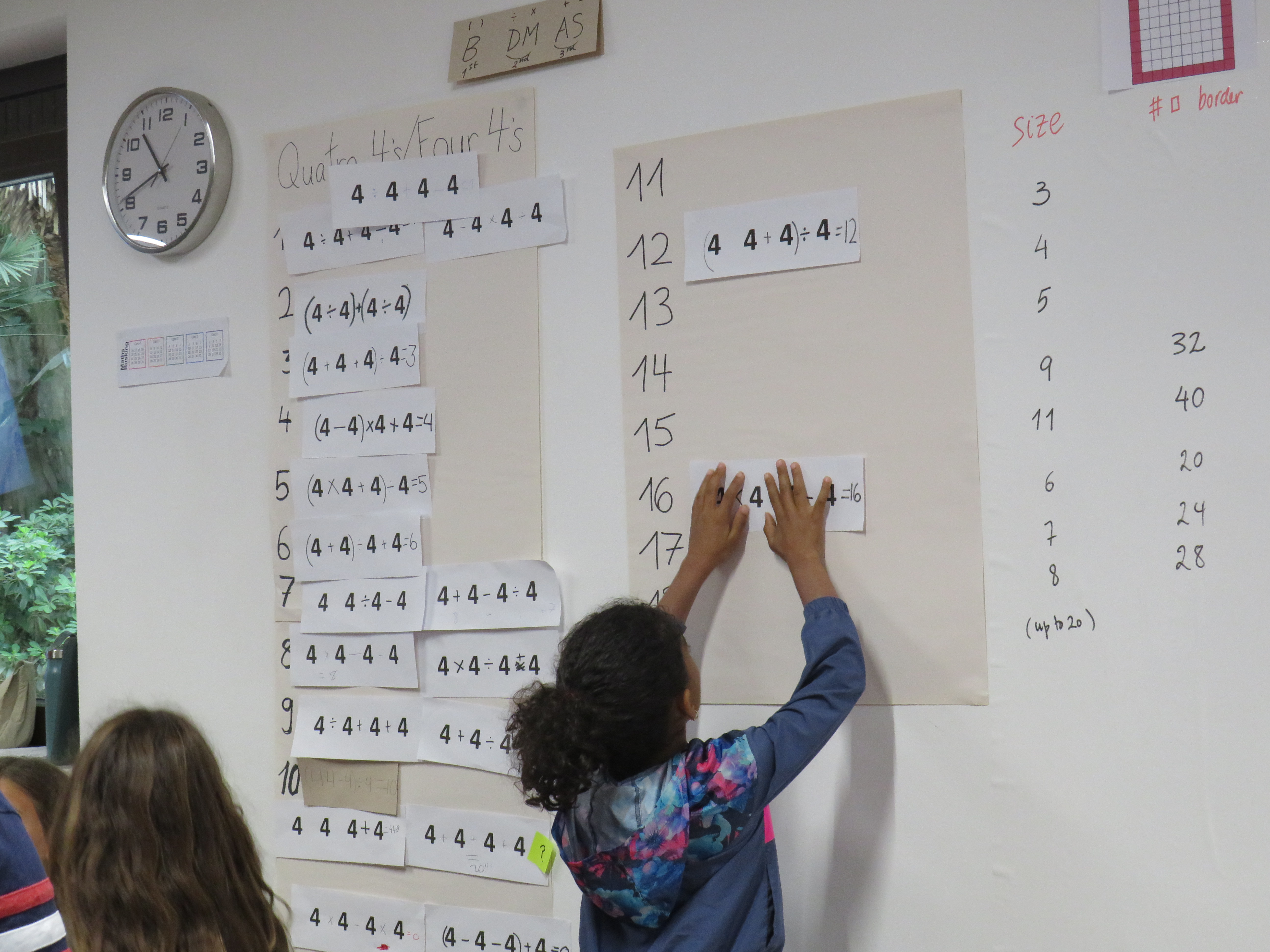
Activities include: team skills through games · neuroscience of learning and maths · graphs with movement · shape-building with rope · pattern investigations · presenting work · mathematical proof
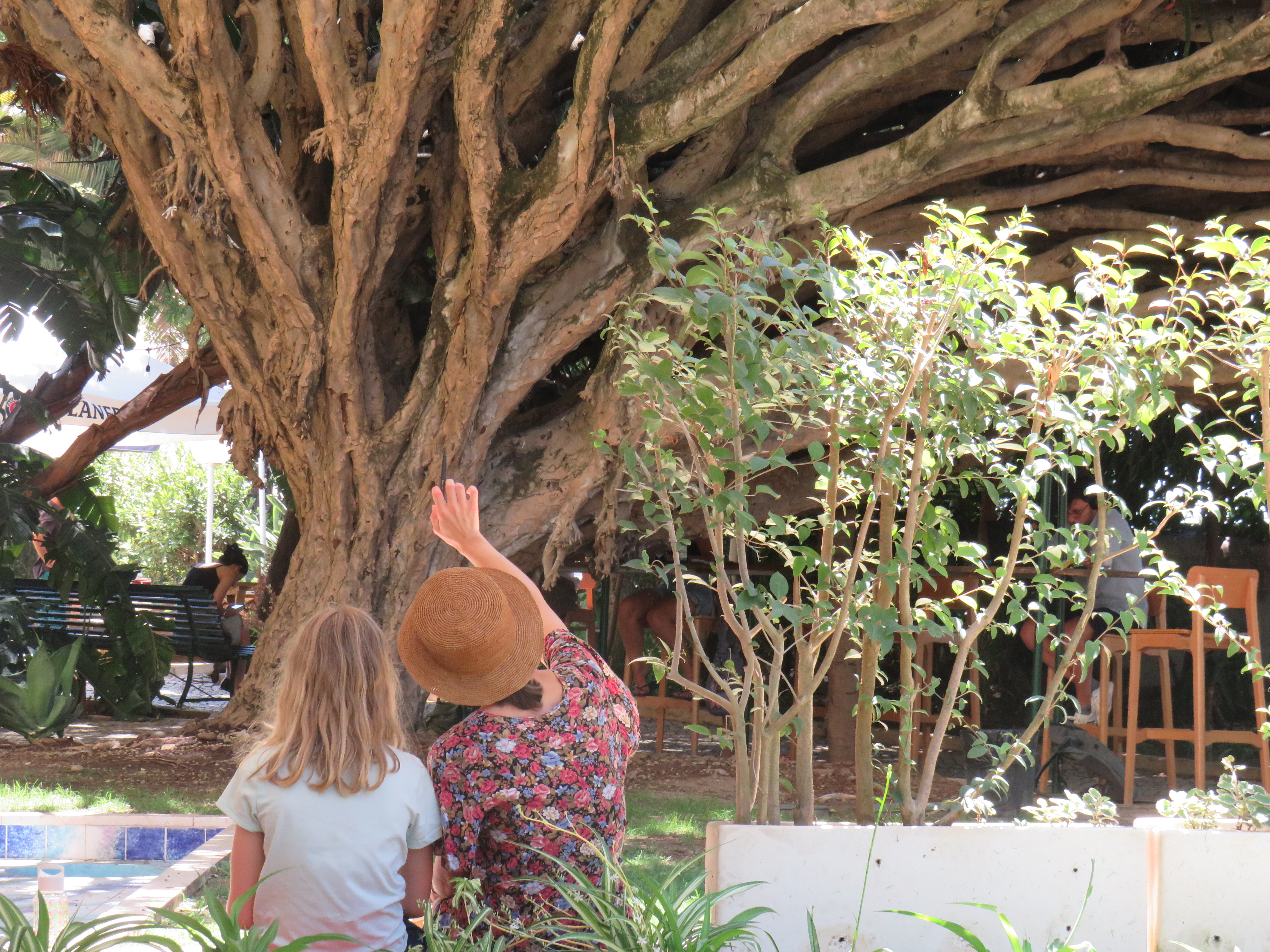
Afternoon Creative Labs — Guest Artists
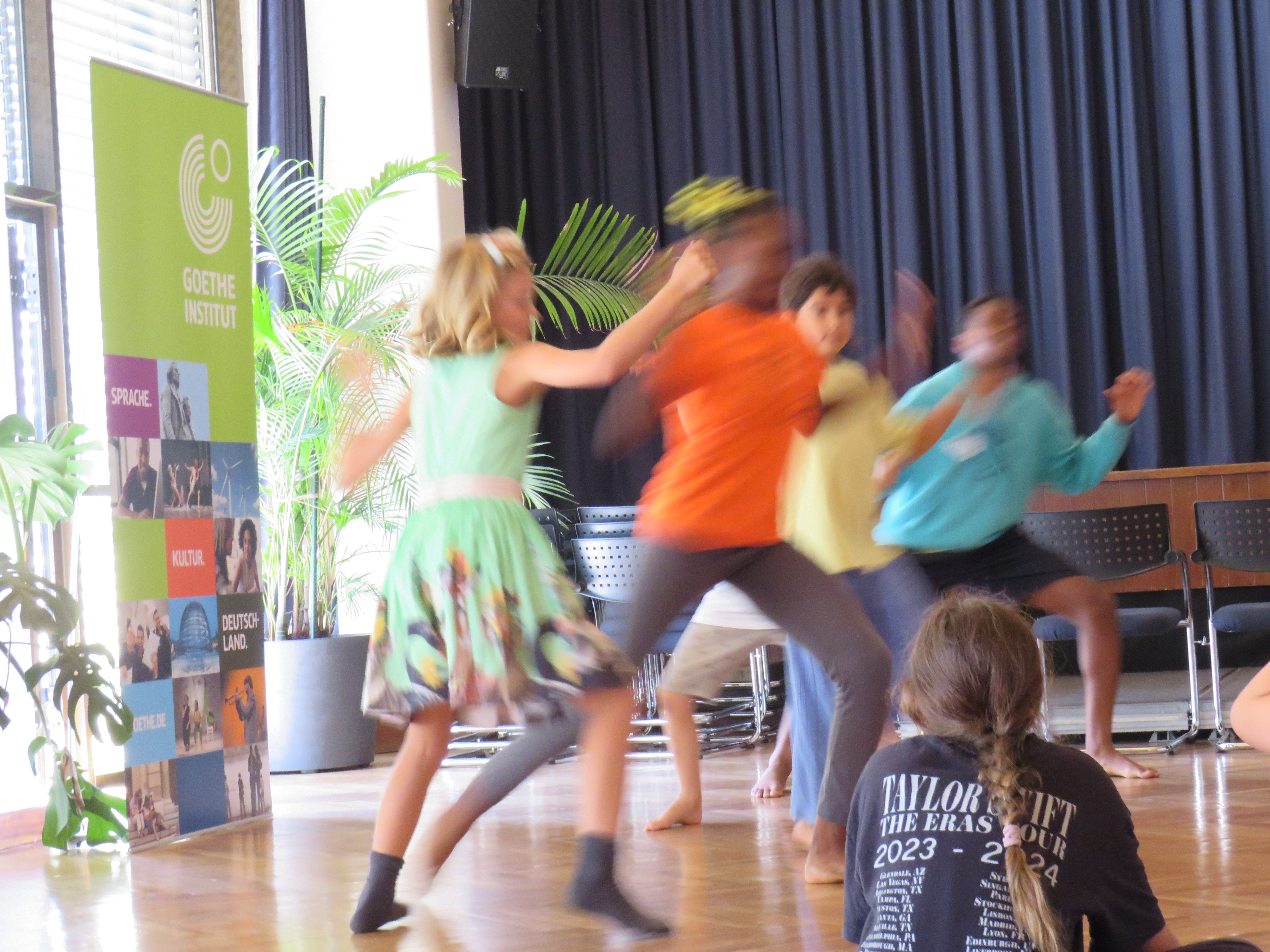
Inspired by Bruno Munari's Laboratori, these sessions privilege the sensory and tactile dimension — what Munari called 'the forgotten sense'. Neuroscience confirms that gesture and movement together form the foundations of knowledge and language learning.
We always propose an interdisciplinary approach connecting students' everyday lives to nature — a privileged field for understanding that every artistic form follows the same principles as nature (Goethe): a predisposition to be a certain way, yet many different ways of being.
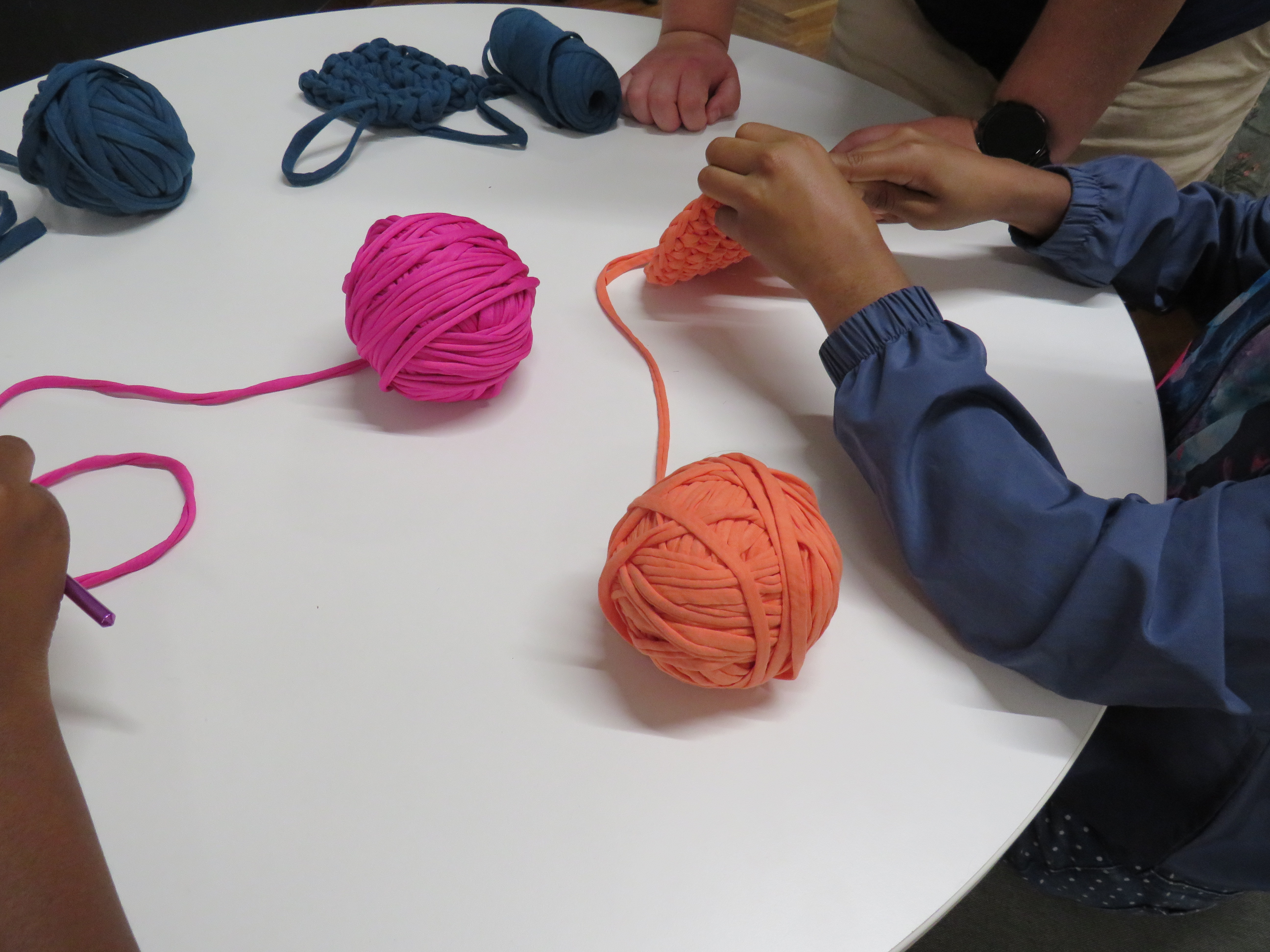
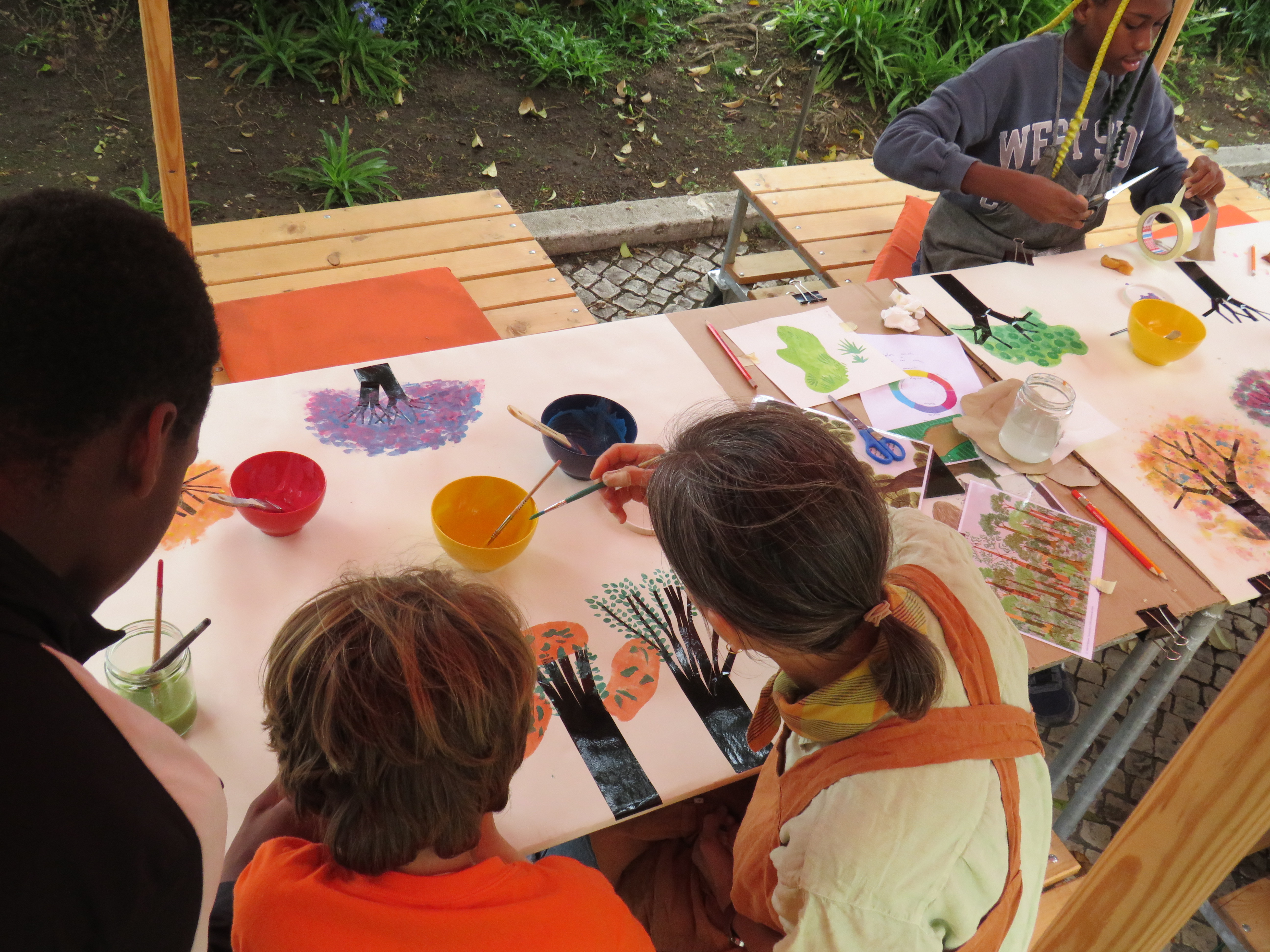
Past editions: Painting, Drawing & Ceramics · Crochet & Paper Folding · Movement, Song Writing, Music & Storytelling
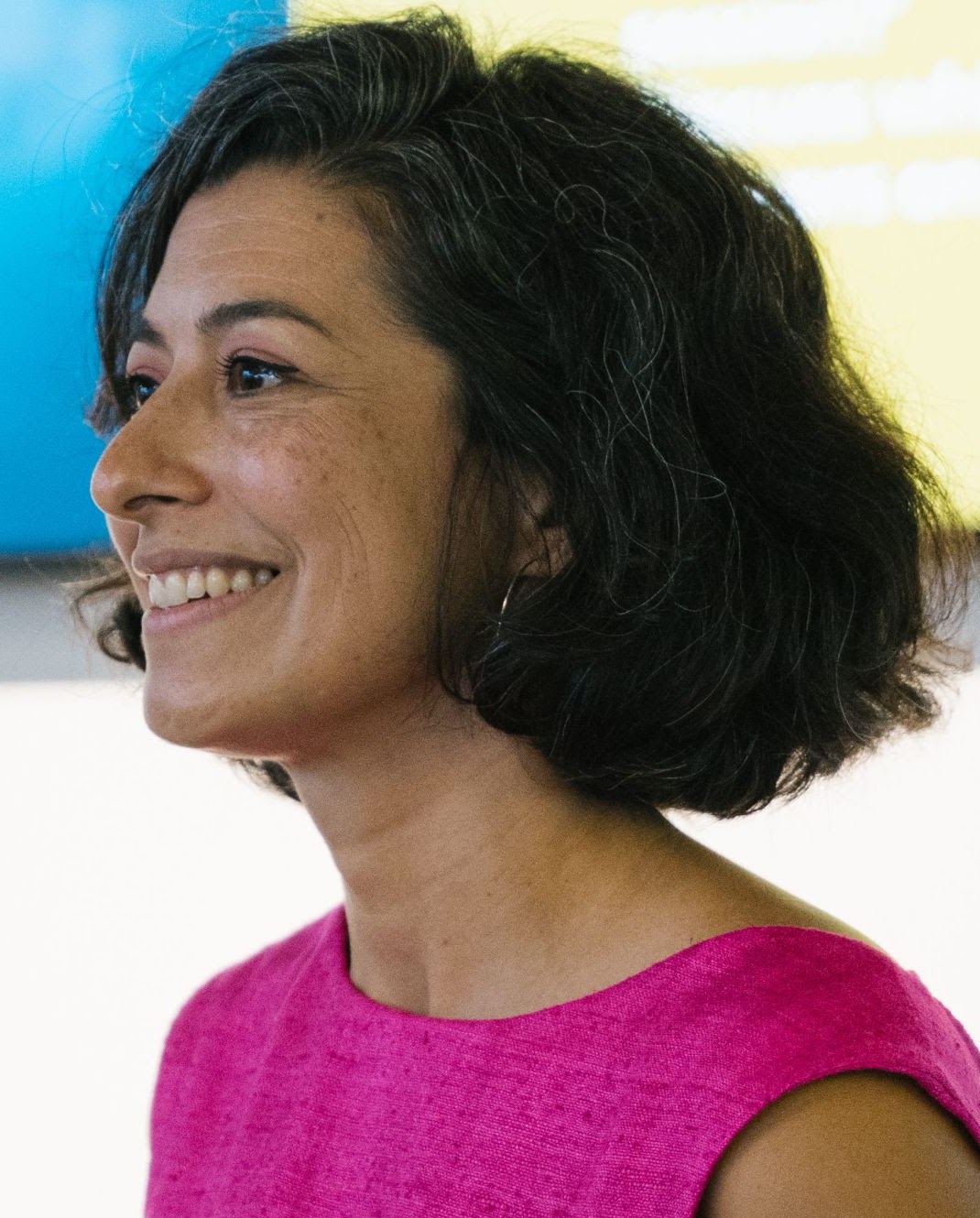
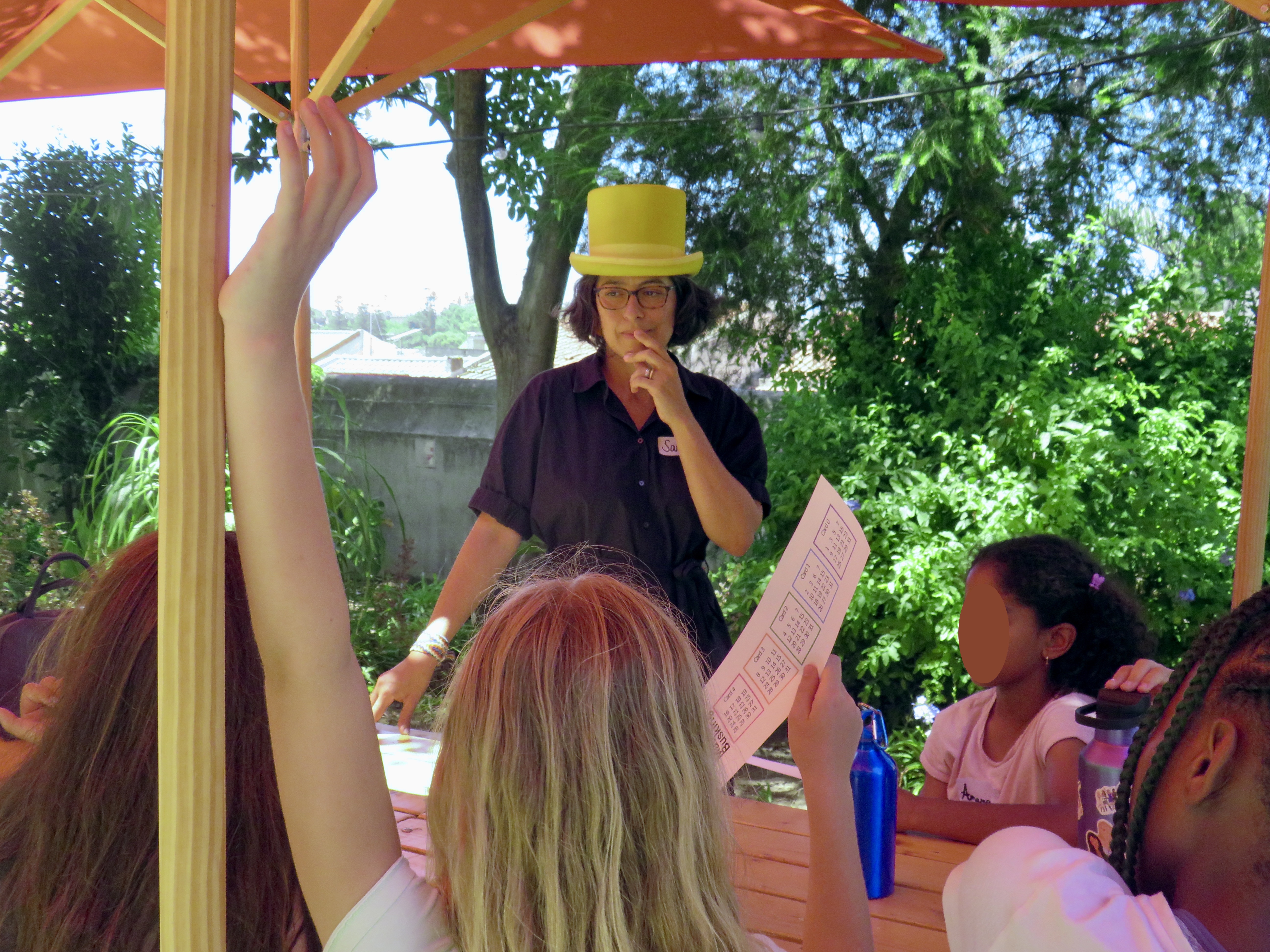
Dr Sara Santos
British and Portuguese, Sara holds a PhD in Mathematics from the University of Manchester. Sara has more than 25 years of experience as a university lecturer, teacher, consultant and performer.
Sara has been a BBC commentator on Mathematics and has had multiple international media appearances. In the UK Sara worked at the Royal Institution of Great Britain, King's College London, and created Maths Busking.
In Portugal she is a founding fellow of Forward College. In 2024 Sara founded ArteMatika — a summer course for visual, creative, collaborative and open-minded work in mathematics, combined with art. The programme ran for three editions (2024, 2025 and 2026). Sara always loved mathematics and art and cannot see them separately. She lives in Oeiras where she enjoys being close to the sea.
Guest Artists
2026 · Most recent edition
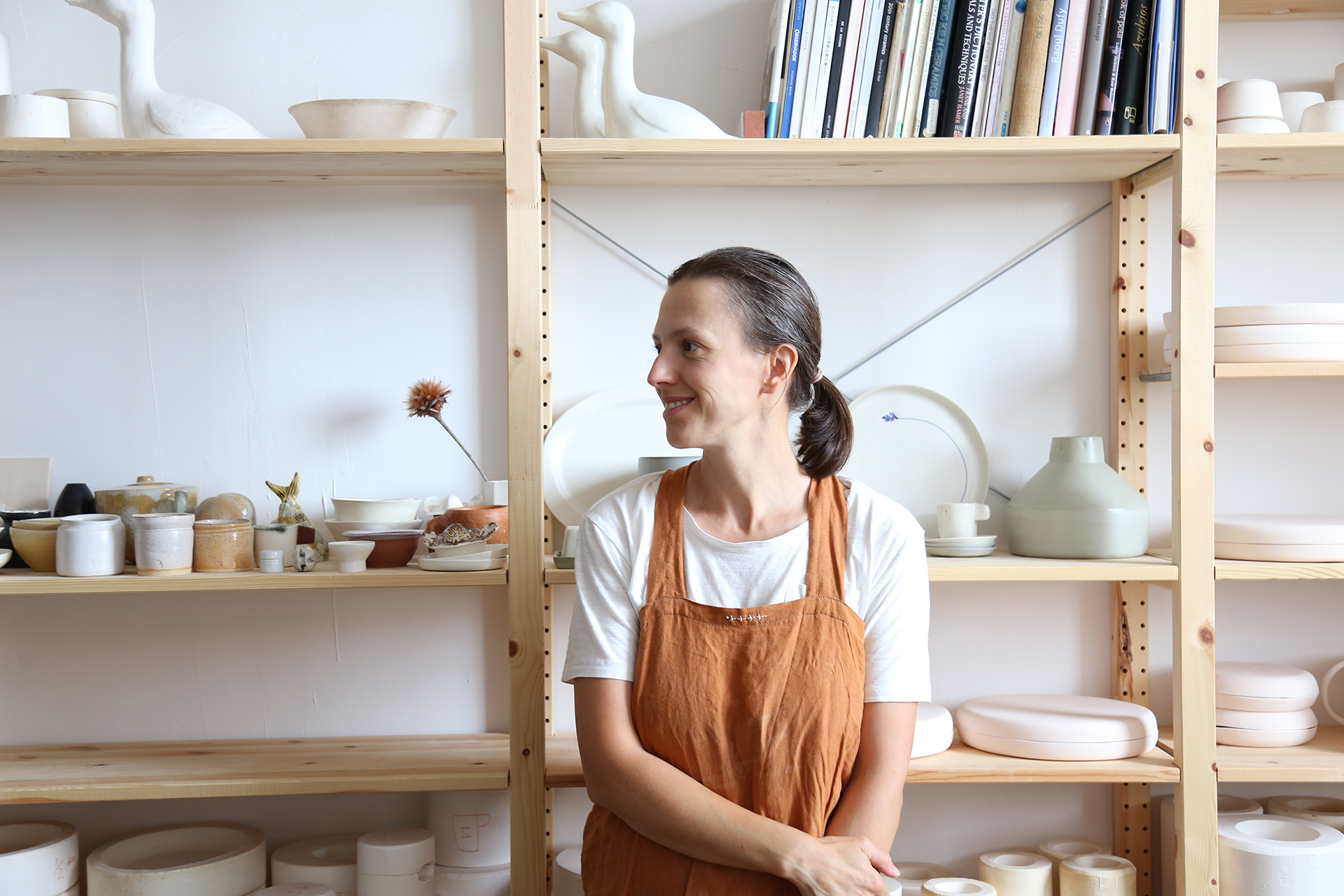
Ceramics & Design
Margarida Fernandes
Margarida Melo Fernandes is the ceramicist/designer behind MARGARIDA FABRICA (2010).
She has collaborated with ArteMatika since its founding in 2024.
Margarida loves gatherings around the dinner table, plants, trees, and giving free rein to children's imagination.
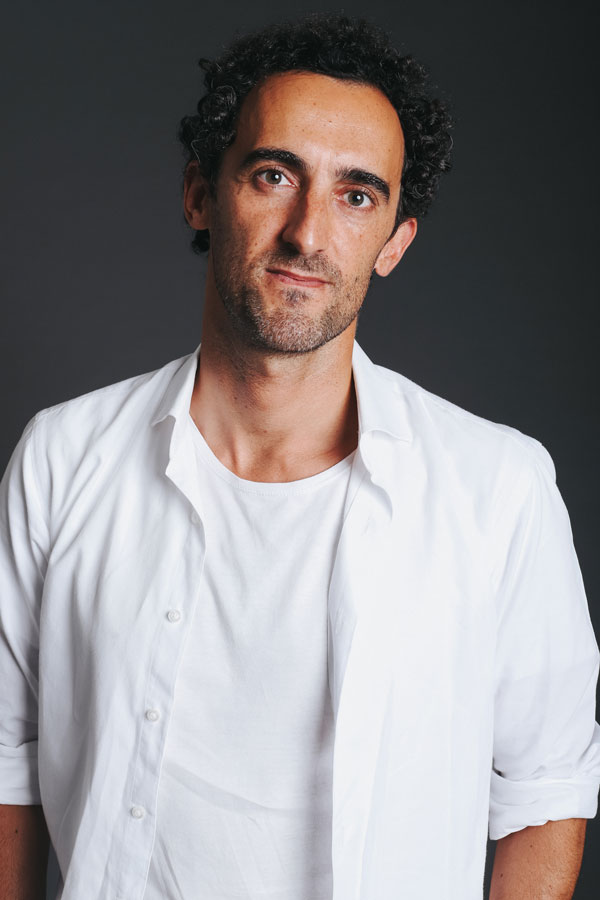
Actor & Educator
Manuel Henriques
Manuel Henriques is an actor, theatre director and performing arts educator. He enjoys creating projects that engage with current issues, interdisciplinary in nature and with a playful dimension. As an educator, he has developed projects with groups of different ages, communities and social contexts.
Previous editions — 2024 & 2025
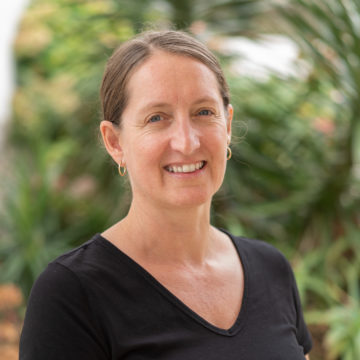
Emma Ashton
Emma is a Music Drama Teacher at Oeiras International School. She leads the Musicalisations workshop. Emma has a talent for bringing out a person's inner voice!
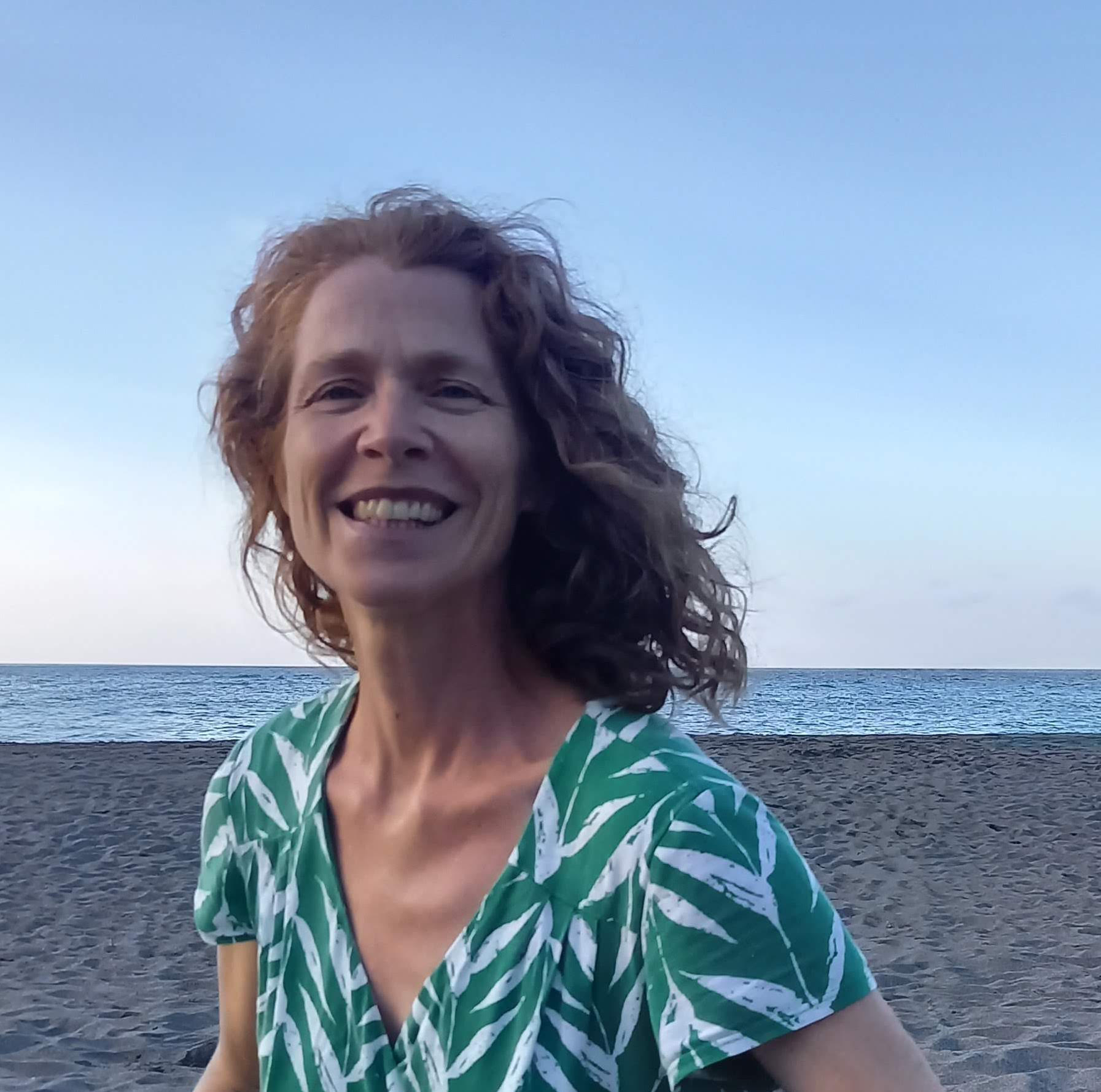
Marina Quay
Marina is a creator, performer, and dance teacher with a special interest in the physicality of movement as a catalyst for imagination, pleasure, and non-dichotomous thinking, fostering self-expression and connection.
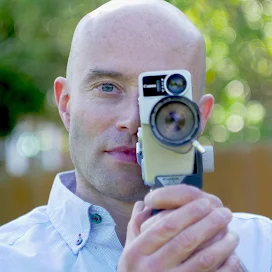
André Brito
André teaches digital storytelling, video prototyping, and UX/UI design at Loughborough University (England) and Hyper Island (Sweden). He also creates video documentaries and practises daily storytelling with his five-year-old daughter.
Interested in the next edition?
Get in touch and we will add you to the mailing list.
FAQs
How can young people of different ages work together doing maths?+
Traditional school settings group children in age groups and society has normalised it. Also, traditional school maths often consists of practising the same skill repeatedly.
At ArteMatika, we work on carefully designed maths problems that lend themselves to mixed groups and are multi-level: we call them 'low-floor' and 'high-ceiling' problems as there are multiple entry points and several extensions possible.
We begin the course with maths tasks designed to coach participants on skills for productive group work. The maths problems in the course are suitable for pairs, groups of three or four students depending on the level of complexity, interdependence and accountability required.
What type of maths do we do? How does it link with school?+
We expand maths skills 'side-ways', meaning that we enhance the investigation, problem solving and communication of maths ideas skills rather than teaching the school curriculum.
If your child follows the IB curriculum, the language used in MYP is Criterion B and Criterion C, referring to investigating patterns, generalising patterns, finding multiple representations of the pattern justifying why it works, the need for algebra in doing this, as well as communicating mathematical ideas with rigour whilst being accessible.
If your child follows the Cambridge iGCSE curriculum, the relevant skills are Algebraic Pattern Recognition, Proof and Justification, Formulating Generalisations — required for higher-tier algebraic investigations, a route advised for A-level Mathematics and Further Mathematics.
If your child follows the Portuguese curriculum, the 'Aprendizagens Essenciais' documentation refers to mathematical literacy, mathematical competences and learning profile which include Problem Solving, Mathematical Reasoning, Computational Thinking, Mathematical Communication, Multiple Representations and Mathematical Connections, as well as Self-Regulation, Critical Thinking, Perseverance, Collaboration, Creativity, Initiative and Autonomy, Self-Confidence.
What is the role of neuroscience in the ArteMatika maths course?+
The course is built on neuroscience evidence showing that the brain grows most when we struggle or make mistakes. We move away from prioritising 'rote memorisation' and 'speed' toward deep, visual thinking. When students engage in creative 'Mindset Mathematics', their brain synapses fire more effectively than during repetitive calculation.
Why is ArteMatika a two-week course instead of one?+
True mindset shifts take time. A two-week duration allows students to move past initial 'math anxiety', performance pressure felt by 'gifted' students and fully immerse themselves in the Mindset Mathematics and the Creative Labs. Research into effective maths interventions shows that sustained engagement — rather than condensed 'cramming' — leads to higher retention and a fundamental change in how a student views their own potential.
What is the 'Mindset Mathematics' approach used in the course?+
We use the framework developed by Prof. Jo Boaler at Stanford University. This involves 'low-floor, high-ceiling' tasks that are accessible to everyone but can be taken to very advanced levels. By combining this with Maths Busking techniques, we ensure students see maths as a flexible, artistic, and multi-dimensional subject.
Who leads the ArteMatika summer course?+
The course is directed by Dr Sara Santos, a mathematician with a PhD from the University of Manchester. As the founder of Maths Busking and a former BBC commentator on mathematics, Dr Santos brings over 25 years of experience in making complex mathematics engaging, visual, and fun for all ages.
What do parents and students say about the ArteMatika experience?+
Testimonials frequently highlight the transformation in confidence. Parents often note that children who previously 'hated' maths begin to see it as a creative tool. By working in a 'mistake-friendly' environment, students report feeling 'unlocked' and capable of tackling high-level challenges they once found intimidating.
"What?! Maths during my holiday?!"+
If you can't imagine your child enjoying a maths course, rest assured: there will be no tests, no boring book work, no comparisons, or speed calculations.
Instead the maths activities are about unlearning unhelpful myths our society holds about maths, opening our minds, expanding our capacities, doing maths in a fun and collaborative way as young detectives investigating patterns, delivering presentations, drawing their thought process and learning how others see the same thing differently.
Families sought the course for multiple reasons. Some have children who love maths, others who required a fresh start in maths to get over previous experiences, others to ignite their child's interest in the subject.
A father told us he woke up his daughter in the morning by saying 'maths camp!' and that got her excited to get out of bed and get ready quickly.
Some children were concerned it would be boring — they changed their mind once they began.
What are the Creative Labs and why that name?+
The Creative Labs take their name from Bruno Munari's Laboratori (artist, designer, educator, 1907–1998). Inspired by his conviction that art should be accessible to all and that the process of experimentation matters more than the finished result, we adopted the same name.
The goal is to promote learning through the understanding of art — the democratisation of artistic knowledge. The Creative Labs do not seek self-expression for its own sake, but rather to awaken the vision each person has of the world, and to understand the artist's conception as an instrument of life.
Why do the Creative Labs focus on touch and the senses?+
Bruno Munari called touch 'the forgotten sense' — and he was ahead of his time. Neuroscience now confirms that gesture and movement together form the foundations of knowledge and language learning.
The Creative Labs are designed to give the senses their rightful place: discovering the quality of each material through touch, the resistance of clay under the hands, the weight and temperature of different surfaces.
As Grassini (2020) writes: 'Weight and temperature are exclusively tactile sensations; consistency in all its determinations, including its most refined nuances, can only be perceived through touch. Sight may recognise a smooth surface and distinguish it from a rough one, but only touch can produce the sensation.'
Why combine science and art?+
At ArteMatika, science and art are not separate territories. Herbert Read put it clearly: 'Art is the representation, science the explanation — of the same reality.' And: 'What is wrong with our educational system is precisely our habit of establishing separate territories and inviolable boundaries.'
The Creative Labs always propose an interdisciplinary approach, connecting students' everyday lives to nature — a privileged field for understanding that every artistic form follows the same principles as nature (Goethe): there is a predisposition to be a certain way, yet many different ways of being.
What is the role of Visual Arts in student development?+
According to the Portuguese Ministry of Education: 'Visual Arts are established as a fundamental area of knowledge for the global and integrated development of students, specifically the processes of looking and seeing, critically and thoughtfully, across different visual contexts. Their main purpose is the broadening and enrichment of students' visual and plastic experiences, contributing to the development of aesthetic and artistic sensibility, and awakening, throughout the learning process, a taste for appreciating and enjoying different cultural circumstances.' (Aprendizagens Essenciais, 2018)
The Creative Labs at ArteMatika are grounded in this same conviction.
What does aesthetic education mean in this context?+
'Aesthetic' comes from the Greek aisthesis — 'to feel or perceive through the senses' — understood today as 'thinking in a beautiful way'. Aesthetic education must be understood as 'education for beauty' (Sòcratti), attending to its double meaning: the capacity to receive impressions through the senses, and the capacity to fully understand and experience affective and emotional conditions.
The Creative Labs aim to cultivate both.
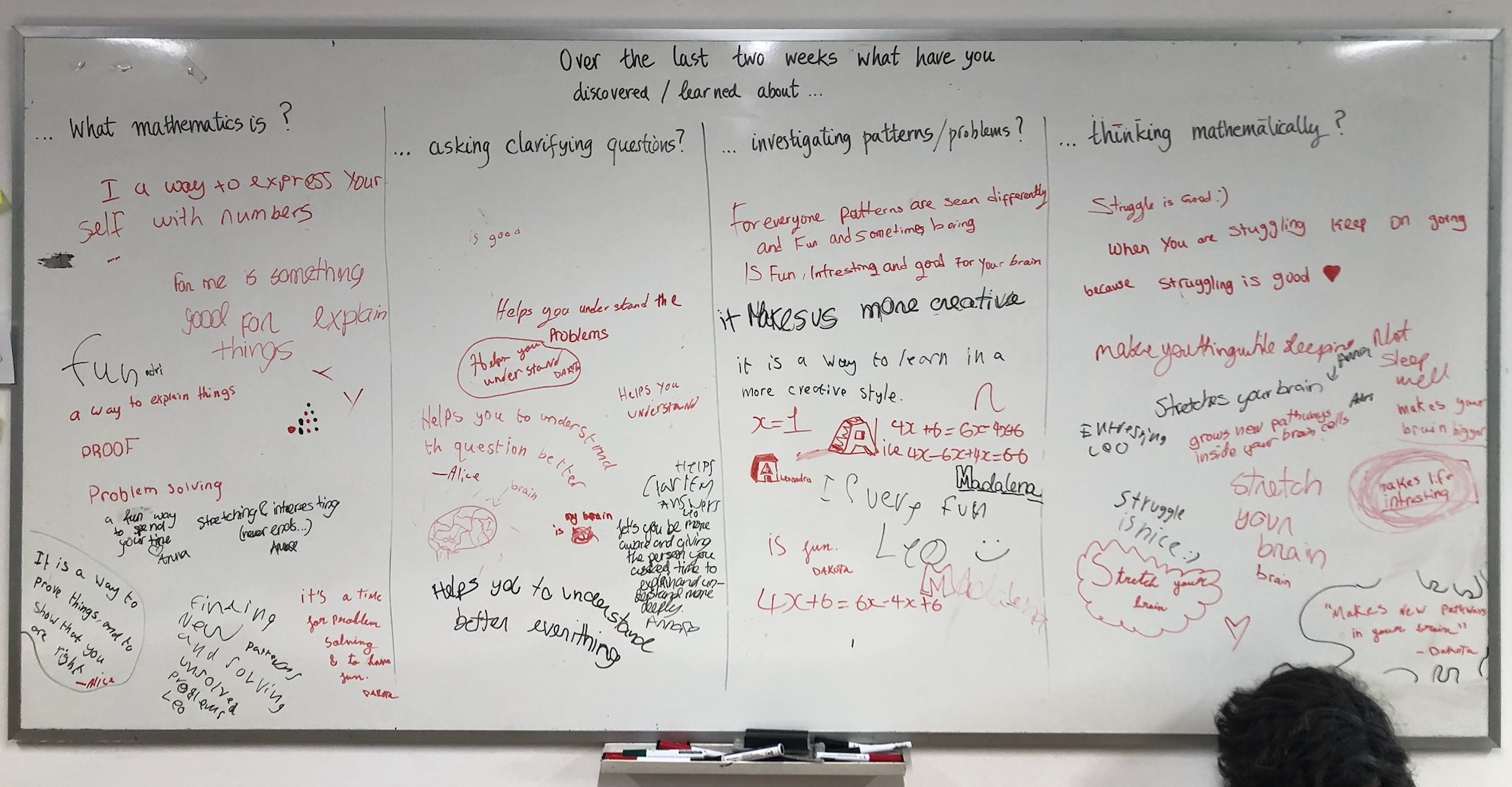
What families say
Parents
“[My child] was able to reduce the time spent with the video game and showed more interest towards mathematics.”
“[My child] was excited to go to camp each day and came home excited to describe what she learned and the games she played that day. Overall, she had a great experience.”
“[My child] told me this morning that 'this is the best holiday program I've ever been to!'”
What participants said
“We learn so much... on the afternoon we do arts. And other kids' ideas were very interesting. It was pretty worth it!”
“It was super!!! Coooooool”
“It was really fun and it was a nice opportunity to learn new things.”
“It was fun. I learned a lot of stuff — lots of maths and I learned about other mathematicians.”
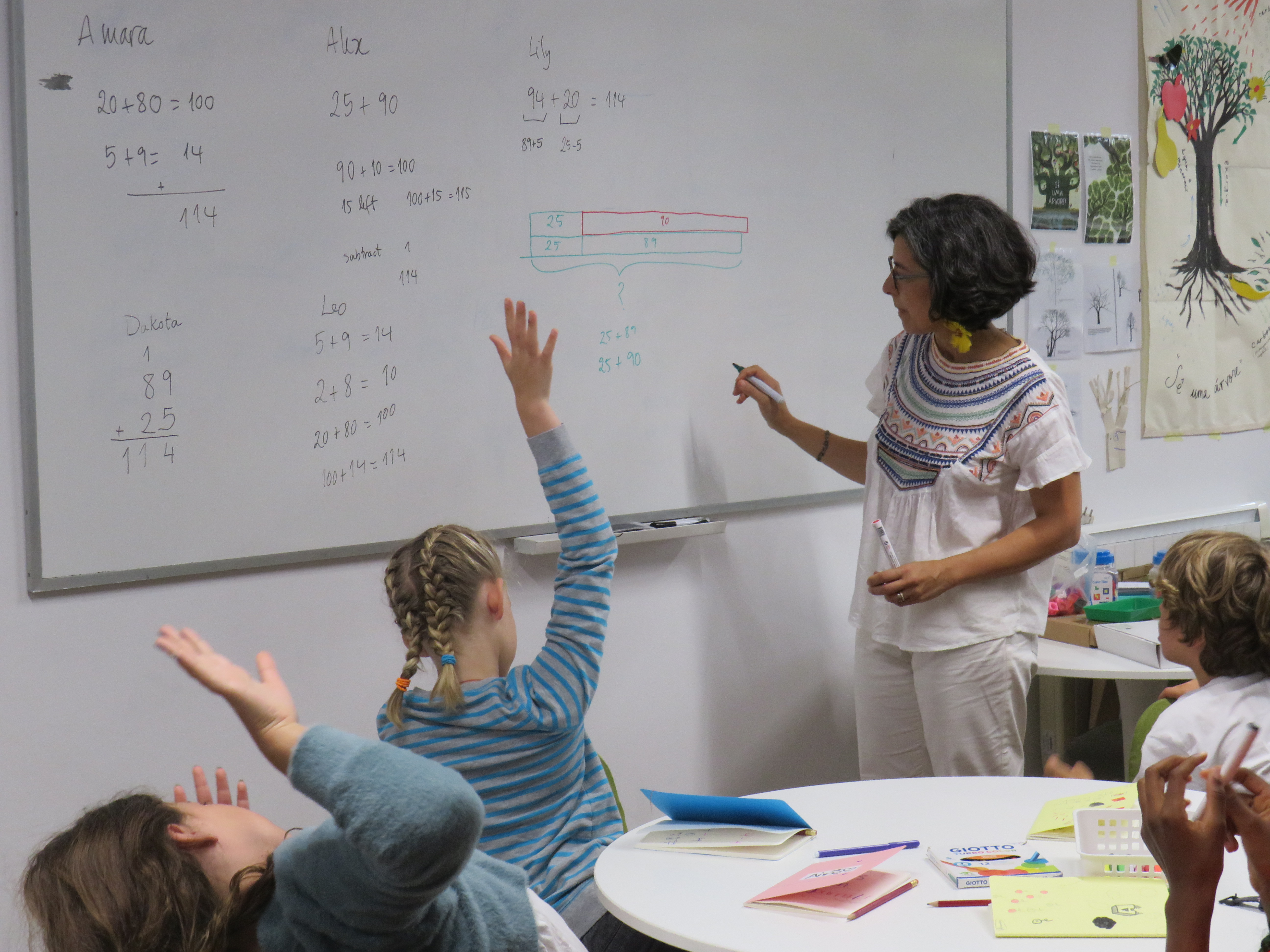
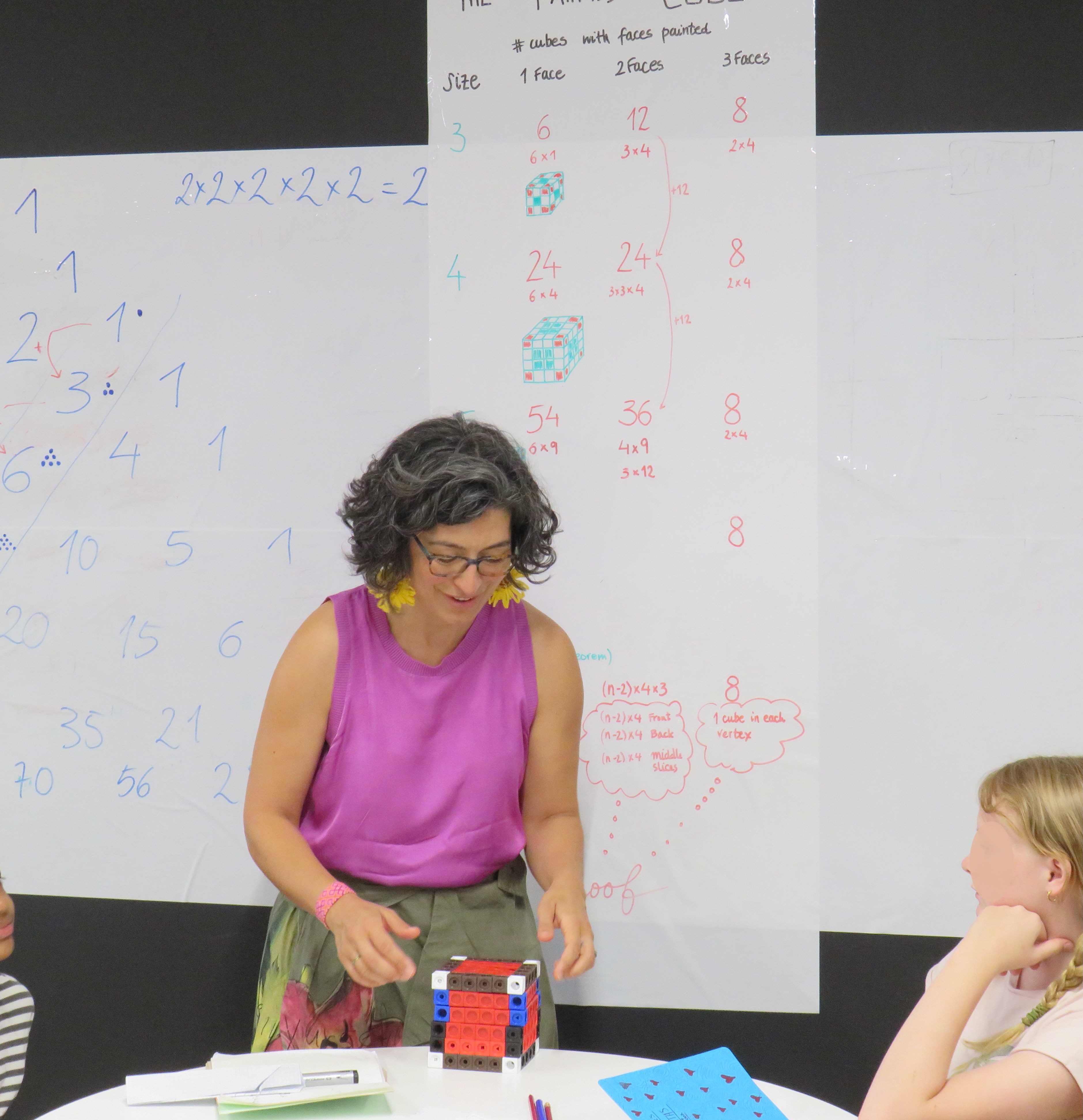
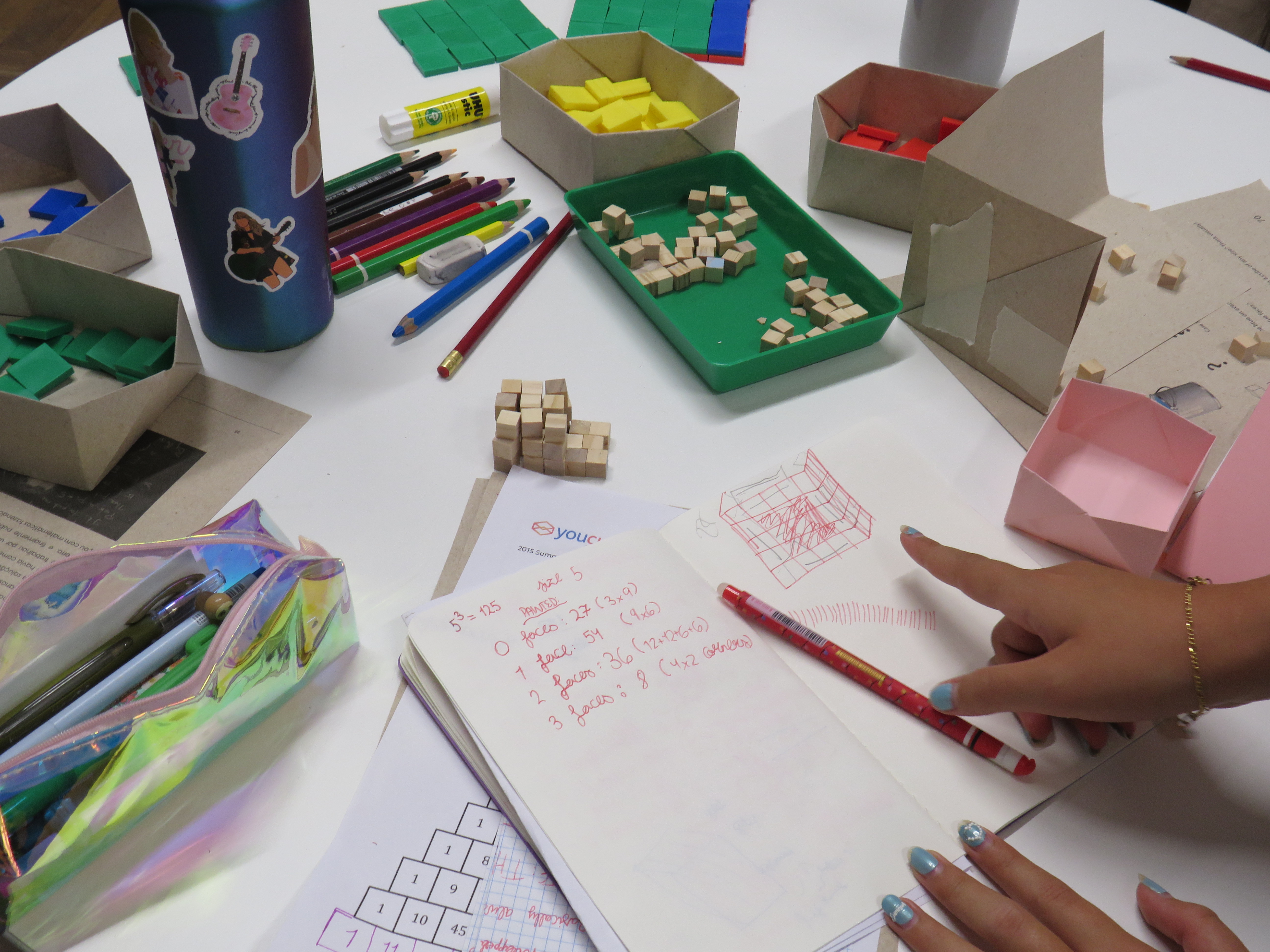
A conversation during the course
Details
Editions
2024 · 2025 · 2026 (Monday–Friday, two weeks each)
Hours
Full day: 9:00–16:00 · Mornings only: 9:00–13:00
Location
2024: OIS, Oeiras · 2025–2026: Goethe Institut, Lisbon
Languages
English and Portuguese
Ages
Recommended 9 to 14
Team
Dr Sara Santos and professional artists, plus support team
Fees
For reference — past editions (2024–2026)
€698
for the two week course
€445
for the two week course
Interested in the next edition?
Get in touch and we will add you to our mailing list. Contact us at ingoc.cec@gmail.com or +351 911 551 560.
Get in touch